March 2, 2026
Towing services play a crucial role in ensuring road safety and vehicle recovery. While light tow trucks are suitable for standard vehicles, there are specific situations that necessitate heavy duty towing. Understanding these situations is vital for businesses and individuals alike, as employing the right equipment ensures safety and efficiency. It is also important for cost management, as using inadequate solutions can lead to further complications and additional expenses.
1. Commercial Truck Breakdowns
Understanding Vehicle Size and Weight
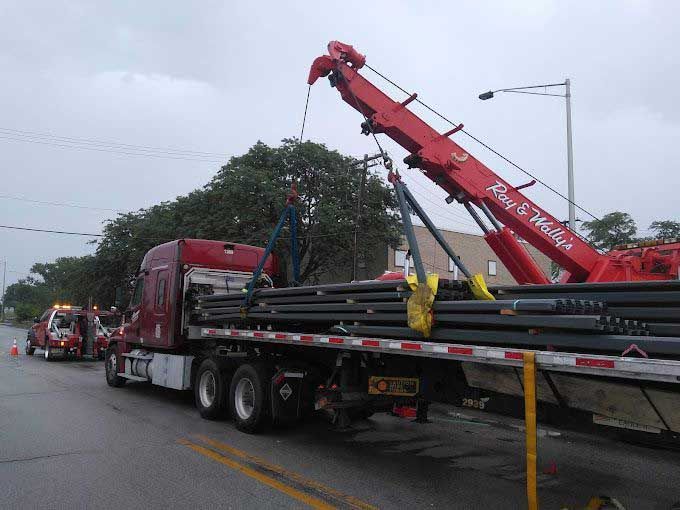
Commercial trucks are significantly larger and heavier than standard vehicles, making light tow trucks inadequate for towing them. These vehicles can weigh up to 80,000 pounds when fully loaded, requiring specialized equipment to move them safely. Heavy duty towing trucks are equipped to handle these substantial weights due to their design and enhanced capacity. According to Kelley Blue Book, some heavy duty trucks in the U.S. can exceed towing capacities of 35,000 pounds, underlining the difference needed for commercial vehicle towing. Without such capability, attempting to tow a commercial truck with a light tow truck could result in damage to both the truck and the towing equipment.
Heavy Towing Equipment Needed
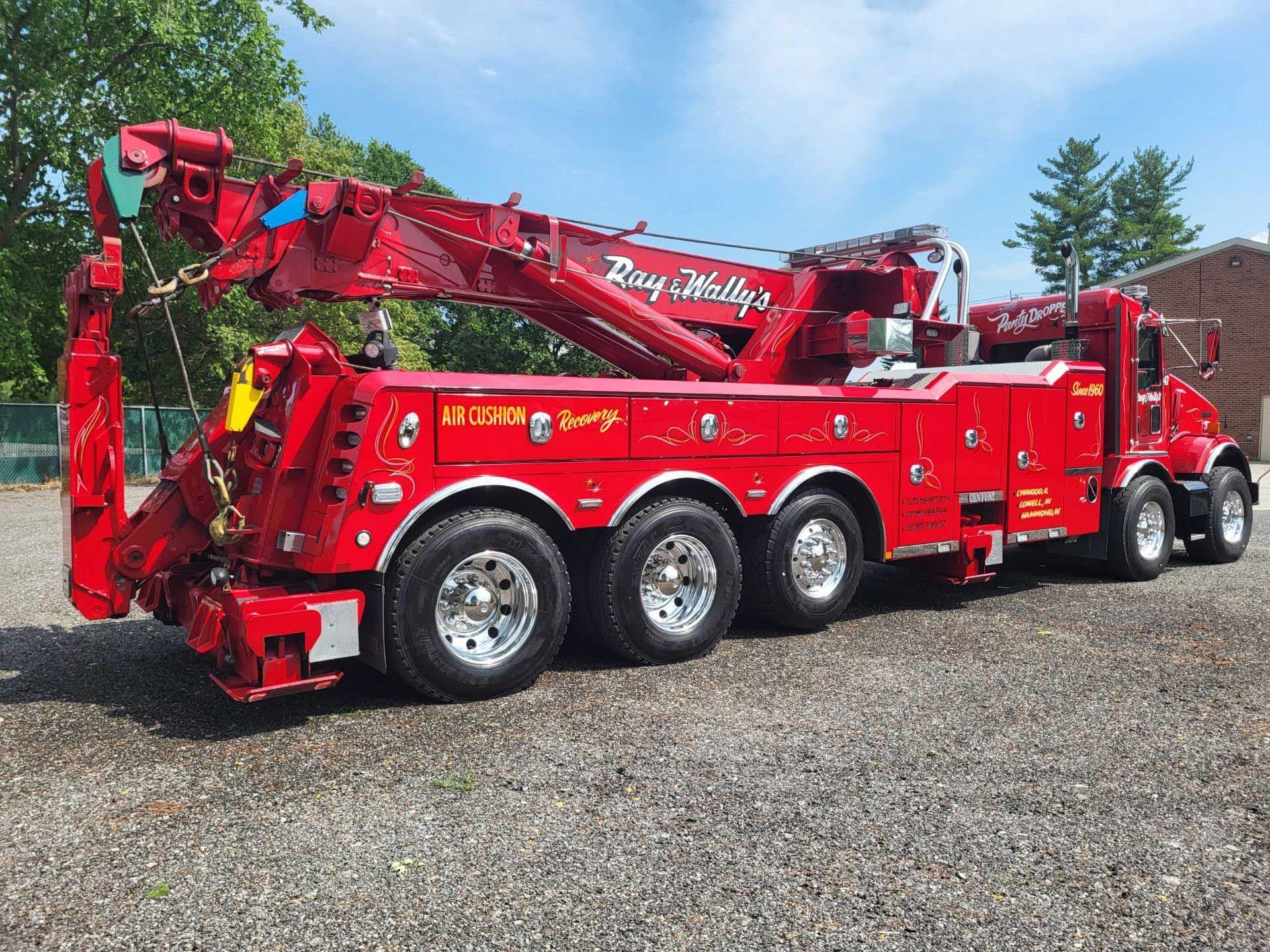
Heavy towing equipment is crucial for managing the sheer size and weight of commercial trucks. Heavy duty tow trucks are fitted with powerful winches and enhanced safety features designed to stabilize and haul large vehicles effectively. This equipment often includes pneumatic and hydraulic systems that provide additional lifting power, essential for maneuvering heavy loads. In contrast, light tow trucks lack these features, making them unsuitable for such tasks. Utilizing heavy towing equipment ensures that commercial vehicles are transported safely without causing further damage or risk to other road users.
Downtime Costs for Companies
Extended downtime due to breakdowns can be financially debilitating for businesses, particularly in logistics and transportation sectors. The longer a commercial truck remains untreated due to inadequate towing, the higher the operational delays and associated costs. Heavy towing services provide efficient recovery solutions, thus minimizing the time trucks are off the road. Speedy vehicle recovery is essential to resuming business operations and alleviating the economic impact caused by prolonged delays. Investing in proper towing services translates to significant cost savings and reduced revenue loss.
Expertise of Heavy Duty Tow Operators
The expertise of operators is a critical component in heavy duty towing. These professionals are trained to handle complex scenarios involving large vehicles, ensuring safe and effective towing operations. They possess knowledge of the necessary equipment and techniques required to lift and transport heavy loads without incident. Unlike standard towing, handling commercial vehicles demands specialized skills that light tow operators may lack. Employing experienced heavy duty tow operators mitigates the risk of accidents and damage, benefiting both the towing service and the vehicle owner.
2. Transportation of Construction Equipment
Types of Construction Equipment
Heavy construction equipment encompasses a wide array of machinery, including bulldozers, excavators, and cranes, each varying greatly in size and weight. These vehicles are built robustly to perform heavy duty tasks, making the process of towing them challenging using conventional tow trucks. The need for heavy duty towing arises due to the weight and dimensions of this equipment, which light tow trucks cannot accommodate. Specialized trailers and tow trucks are required for their safe transport to prevent damage or loss. A thorough understanding of the types of equipment is crucial to devising an effective transportation plan.
Safety Regulations and Heavy Towing
Adherence to safety regulations is paramount when transporting construction equipment. There are specific laws governing the transport of oversized loads, requiring heavy towing services to comply with these standards. This includes securing appropriate permits and adhering to weight and height restrictions to ensure safe passage on roadways. Heavy duty towing companies are knowledgeable about these regulations and are equipped to meet compliance standards, thereby avoiding fines and legal complications. Light tow trucks are ill-suited to meet these stringent requirements, further highlighting the necessity of heavy towing services.
Structurally Sound Transport
The structural integrity of construction equipment must be maintained during towing operations. Heavy towing ensures that equipment is loaded securely onto specialized trailers, minimizing the risk of structural damage. This involves using reinforced chains, straps, and other equipment designed to withstand the immense forces involved. Proper handling and transport are crucial to preserving the functionality and longevity of construction machinery. Inadequate towing solutions, such as using light tow trucks, could compromise the structural soundness of the equipment, leading to costly repairs or equipment failure.
Preparation and Handling Requirements
Preparation is key when planning the transport of construction equipment, demanding careful coordination and planning. This includes assessing the weight, dimensions, and transport requirements to ensure the appropriate towing equipment is used. Heavy towing teams are experienced in preparing and loading this equipment efficiently, reducing setup time and ensuring timely transport. Proper handling techniques are also employed to navigate various terrains and road conditions safely. Light tow trucks, lacking the necessary capacity and expertise, would struggle with preparation and handling requirements, underscoring their limitations.
3. Recovery from Mud, Snow, or Water
Challenging Terrain Conditions
Recovery operations in challenging terrains such as mud, snow, or water require the superior capabilities of heavy duty tow trucks. These environments often result in vehicles becoming stuck or immobilized, needing substantial force to extricate them. Heavy duty tow trucks are equipped with powerful winches and extended reach, ideal for recovering vehicles from difficult positions. The conditions posed by these terrains often exceed the capabilities of light tow trucks, which lack the necessary traction and pulling power. Heavy towing services ensure safe and effective recovery without causing further damage to the vehicle.
Specialized Recovery Equipment
Specialized recovery equipment is essential for handling vehicles stranded in challenging conditions. Heavy duty tow trucks come with various attachments, such as chains, slings, and snatch blocks, to facilitate efficient recovery operations. This equipment is specifically designed to distribute force evenly and prevent additional strain on the vehicle's structure. In contrast, light tow trucks do not possess the versatility or strength required for these demanding scenarios. Effective use of specialized recovery equipment ensures successful vehicle recovery, regardless of the terrain involved.
Limitations of Light Tow Trucks
Light tow trucks face significant limitations when attempting to recover vehicles in difficult terrain. Their lower weight and towing capacity reduce their effectiveness in extracting heavy or deeply stuck vehicles. Additionally, light tow trucks may lack the necessary traction and power to generate enough force to free vehicles in snow or mud. Attempting to use them in such situations may result in towing equipment damage or vehicle deterioration. The limitations of light tow trucks make heavy duty towing a more viable and safer option for recovery in harsh environmental conditions.
Environmental Impact Precautions
Carrying out vehicle recovery in sensitive environments requires caution to minimize environmental impact. Heavy towing operators are trained to implement environmentally responsible practices to preserve the surrounding habitat. This involves careful planning of towing routes and recovery techniques that avoid damage to natural features or contamination of water sources. Light tow trucks may struggle to execute these measures effectively, leading to greater environmental disruption. Emphasizing environmentally conscious recovery ensures compliance with regulations and protection of natural ecosystems.
Heavy duty towing is essential in various situations where light tow trucks are insufficient. From commercial trucks to modified vehicles, each scenario demands specialized equipment and trained professionals. Understanding these requirements helps ensure efficient and safe towing operations, ultimately saving time, maintaining safety, and reducing costs. Employing the appropriate towing service ensures that vehicles are handled with the care and expertise they require, upholding road safety and operational efficiency. For businesses and individuals alike, choosing heavy towing is a prudent investment in safeguarding mechanical investments and minimizing financial and logistical burdens. If you're looking for a heavy duty towing professional, contact Ray & Wally's Towing Service, Inc today!